Constructing stylish and practical structures in Minecraft transforms basic survival gameplay into a rewarding creative experience. While ambitious architectural projects often require extensive resource gathering and complex redstone knowledge, simple building designs focus on accessibility, efficiency, and clean visual presentation. In this detailed guide, players will explore ten straightforward construction concepts engineered for quick assembly and high visual impact. Readers will learn step-by-step methods for building starter shelters, functional farms, decorative storage hubs, and essential utility stations using readily available early-game blocks. Implementing these practical Pinterest ideas allows builders of any skill level to organize their worlds efficiently while maintaining an attractive aesthetic. Mastering these foundational building techniques helps players transition smoothly from temporary dirt huts to polished, cohesive base layouts that enhance daily survival activities.
Why This Idea Is Trending or Useful
Simple Minecraft building concepts remain consistently popular across creative platforms because they solve immediate survival needs without overwhelming the player. New players and experienced builders alike seek beginner friendly projects that deliver maximum functional value with minimal effort. The primary appeal lies in transforming basic wood planks, cobblestone, and glass into well-proportioned structures that elevate world aesthetics. Trending designs focus on minimalist style layouts, modular expansions, and natural material combinations that integrate seamlessly into untouched terrain. These accessible DIY layouts allow players to establish organized crop storage, safe livestock containment, and secure sleeping quarters during early gameplay stages. By using clear structural frameworks and practical material ratios, these popular ideas provide reliable inspiration for anyone looking to build an attractive base efficiently.
Materials and Preparation
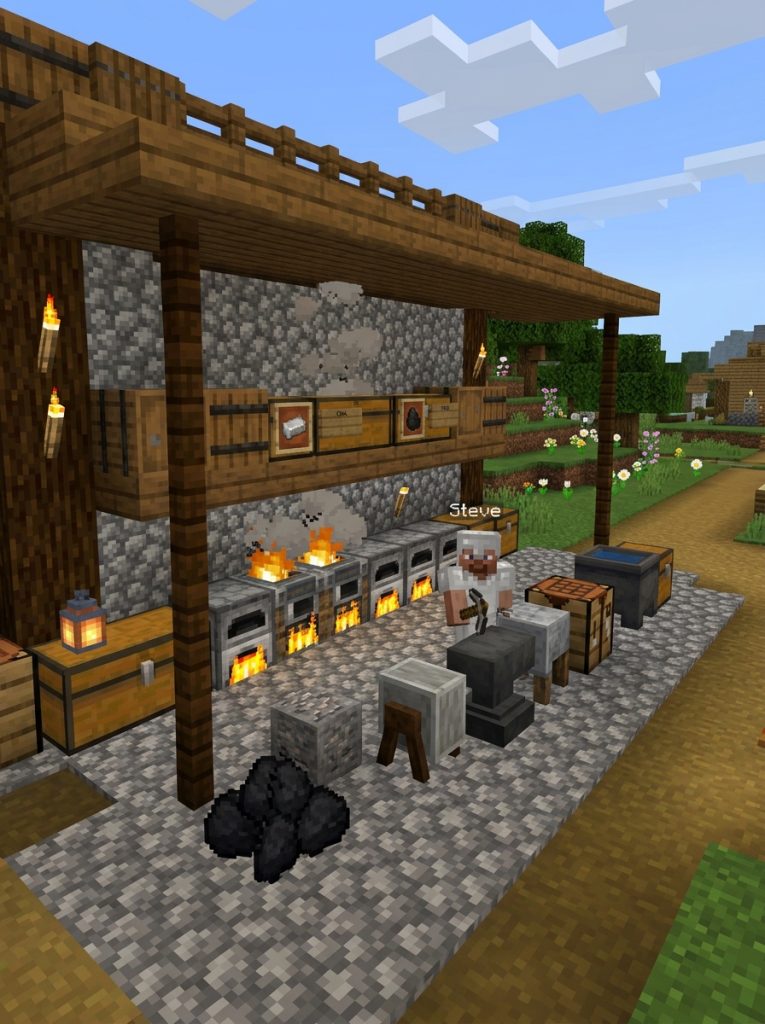
Executing a successful starter construction project requires collecting essential building blocks, basic crafting tools, and workspace preparation beforehand. Begin by selecting a relatively flat site near primary resource nodes, clearing surface tall grass, trees, and irregular dirt blocks to establish a clean foundation footprint. Core materials include oak or spruce logs, matching wood planks, stone bricks, cobblestone slabs, glass panes, oak fences, and wooden trapdoors. Utility tools such as iron axes, shovels, and pickaxes speed up site preparation and material harvesting significantly. Gather functional items including torches for light control, barrels for storage, and water buckets for landscaping or farming layouts. Careful preliminary planning ensures structural dimensions remain symmetrical, preventing costly block tear-downs and guaranteeing smooth spatial clearance around entryways and interior pathways.
Compact Oak Starter Cabin
Step-by-Step Guide
Creating a compact oak starter cabin provides immediate night-time protection while establishing a classic countryside visual aesthetic for new survival worlds. Lay a five-by-five block square foundation using cobblestone to serve as an elevated moisture barrier against raw dirt ground. Erect four-block-tall stripped oak log pillars at each corner, connecting them at the top with horizontal log support beams to form a rigid structural cube. Fill the interior wall gaps with oak wood planks, leaving centered two-block-high openings on three sides for glass pane windows and a front entrance door. Construct a simple gabled roof using cobblestone stairs along the outer rims and oak stairs across the interior ridge to introduce depth and color contrast. Install a wooden door flanked by hanging wall torches, placing a wool bed, crafting table, and furnace inside to complete an efficient, beginner friendly shelter setup.