Unlocking creative potential through accessible paper craft ideas provides an exceptional outlet for individuals looking to enhance their living spaces with handmade items. This comprehensive guide explores ten distinct paper art concepts tailored for diverse skill levels, combining straightforward execution methods with striking aesthetic choices. Readers will learn essential folding techniques, precision cutting strategies, and structural assembly methods that turn ordinary sheets into polished decorative accents. Understanding the fundamentals of paper manipulation ensures that anyone can successfully execute an easy project without specialized machinery or expensive supplies. Whether working at a kitchen table or a dedicated desk, these creative projects deliver rewarding outcomes that encourage consistent artistic expression. Emphasizing structural integrity, clean lines, and visual harmony allows makers to build lasting home decor items that celebrate personal style. Mastering these foundational methods transforms plain cardstock into vibrant focal points that elevate overall room decoration and spatial organization.
Why Paper Crafting Remains a Top Choice for Modern Creators
The enduring popularity of paper art stems from its unique combination of extreme versatility and remarkable cost-effectiveness for everyday makers. Modern design enthusiasts constantly seek trending ideas that introduce tactile warmth into digital environments, making handmade paper accents a staple across online inspiration boards. The design relevance lies in their ability to mimic expensive architectural elements or organic textures using inexpensive raw sheets. From a DIY perspective, building personal paper decor requires minimal physical setup, making it an exceptionally accessible project for individuals working within tight budgets. Beginners find this concept deeply approachable because material mistakes involve negligible financial loss compared to traditional woodworking or ceramics. This aesthetic flexibility ensures that whether paired with minimalist style interiors or maximalist displays, paper creations deliver a polished statement that captures attention while remaining entirely practical for seasonal home decoration and everyday organization.
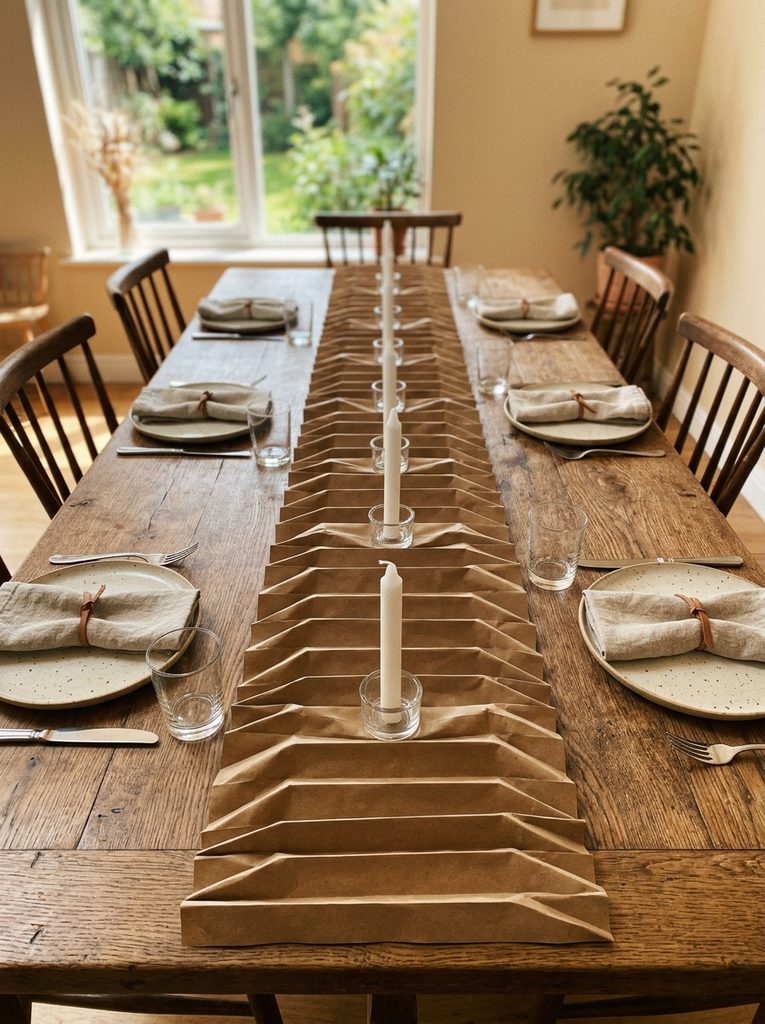
Essential Materials and Preparation for Success
Establishing an efficient workspace for paper crafting begins with thorough preparation and the careful selection of supportive tools and quality materials. Essential items include heavy cardstock paper, precision craft knives, self-healing cutting mats, bone folders for crisp creases, and quick-drying adhesive tape runners. Before beginning physical assembly, organizing your desktop surface ensures that cut components remain flat and free from accidental moisture or bending. Planning considerations involve evaluating paper weight ratings, measuring precise dimensions, and selecting color palettes that complement your existing home decor. Protecting your work surface with a durable mat and keeping spare blades handy streamlines the entire cutting procedure. Establishing an orderly setup transforms a blank sheet of paper into a manageable, step-by-step project that yields predictable, professional-grade outcomes from the comfort of your own home workspace.
Geometric 3D Wall Art Hexagon Panels
How to Create
Crafting modern geometric wall art using interlocking folded paper hexagons offers a striking method for adding architectural dimension to blank vertical surfaces. The concept relies on scoring heavy-weight metallic cardstock and folding the edges inward to create raised three-dimensional polygonal tiles that catch natural room light. To achieve this setup, print template outlines onto the back of your chosen paper, cut the outer perimeters with sharp scissors, and score fold lines using a bone folder. Apply a strong double-sided adhesive strip to the back flaps of each folded polygon and press them firmly against a painted canvas backing board in an organic cluster. This beginner-friendly project requires basic folding tools, careful alignment, and patient planning to ensure the geometric patterns align cleanly across the display. Finish the arrangement by sealing the edges lightly to prevent peeling over time. Allow the newly organized wall accent to inspire consistent creative project execution while serving as an attractive permanent decoration feature in your living room.