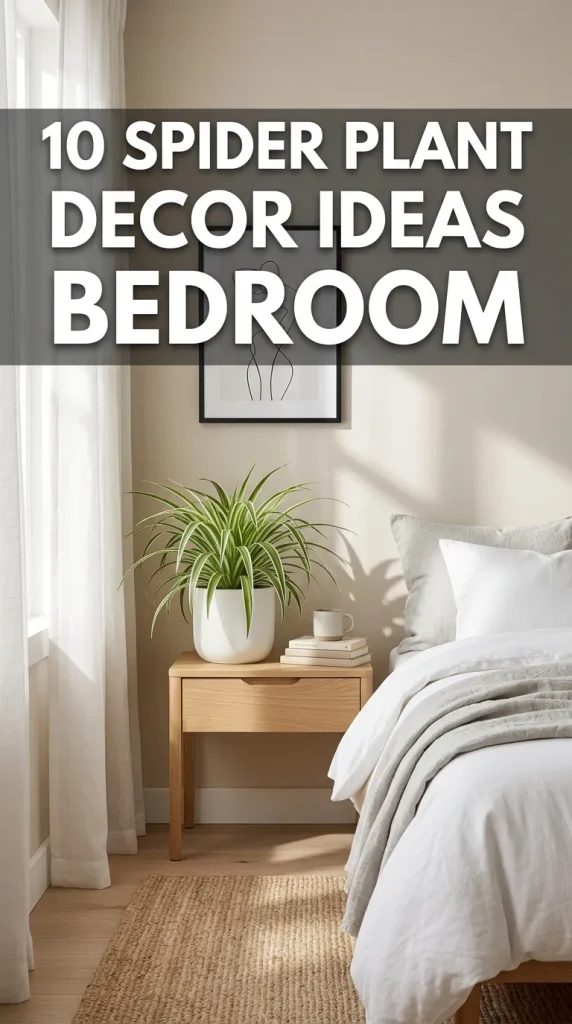
Integrating living foliage into sleeping quarters has become a primary focus in modern residential interior styling. Spider plants offer exceptional versatility, presenting graceful arching leaves and delicate offshoots that soften hard architectural angles while bringing natural textures indoors. This comprehensive guide explores ten unique placement strategies designed specifically for readers seeking fresh Pinterest ideas to enhance their personal sanctuaries. Readers will learn how to evaluate natural light conditions, select structural planters, optimize vertical elevation, and create harmonious plant arrangements around bedroom furniture. Mastering these botanical decoration techniques provides immediate practical value, turning static room corners into vibrant visual focal points while supporting a calming environment. This systematic overview bridges the gap between basic indoor gardening and intentional interior architecture, ensuring a smooth transition from concept to execution. By focusing on proper drainage systems, lighting angles, and spatial proportions, decorators can establish a flourishing indoor garden that complements various design movements. The following actionable strategies deliver clear, step by step methods to integrate lush spider plants seamlessly into any sleeping space.
Why Chlorophytum Comosum Dominates Modern Bedroom Design Trends
The popularity of incorporating spider plants into bedroom design plans stems from their incredible practical value and effortless DIY appeal. These hardy botanical specimens adapt exceptionally well to varying indoor light levels, making them a remarkably beginner friendly choice for individuals new to interior plant styling. From an aesthetic standpoint, the bright variegated foliage—featuring crisp white central stripes bordered by rich green margins—provides an uplifting contrast against neutral bedroom walls. Their signature production of cascading spiderettes creates dynamic, cascading lines that draw the eye upward, maximizing perceived vertical height in smaller rooms. This organic growth habit aligns perfectly with minimalist style principles, allowing decorators to add texture and life without introducing visual clutter or heavy furniture pieces. Additionally, configuring plant displays provides creative satisfaction, allowing home decorators to experiment with macrame hangers, floating wall shelves, and custom ceramic pottery. Developing an understanding of botanical placement enables creators to refine room symmetry, elevate natural lighting pathways, and maintain a serene, nature-inspired bedroom layout.