10 DIY Afrohemian Living Room Decor Ideas
There is an exhausting predictability to what modern interior design media thinks women over 50 want. If you open a traditional decor magazine or click through a major retailer’s seasonal lookbook, you are almost invariably met with sea after sea of tepid greige, timid linen sectionals, and rooms so thoroughly sterilized they look like corporate executive suites. The underlying message is as insulting as it is dull: after five decades of gathering memories, global perspectives, and vibrant lived experience, you are expected to quiet down, pare back, and resign yourself to a beige retirement aesthetic. Yet, when you look for expressive, artful design alternatives, you are frequently met with chaotic, fast-fashion bohemian clutter that feels flimsy, ungrounded, and visually stressful.
You do not need a restrictive set of decor rules designed to make your home appear politely unobtrusive, nor do you need to spend tens of thousands of dollars commissioning an elite design studio. What you need is better, more soulful inspiration. Afrohemian interior decor—the magnetic, layered intersection of vibrant African craft, diasporic heritage, organic textures, and relaxed bohemian eclecticism—is uniquely suited to the sophisticated eye of mature homeowners. The secret to achieving an authentic, curated room on a sensible budget is simple: never attempt to copy a completed room down to the last millimeter. Instead, learn to borrow one clear, structural principle from an idea and tailor it directly to the proportions, natural lighting, and architectural context of your space. Below, we break down ten distinct, creative concepts that offer radically different, achievable pathways to transforming your living room with intention, warmth, and handcrafted dignity.
What Makes DIY Afrohemian Decor Worth Choosing
In an industry flooded with throwaway consumerism, the distinction between surface-level trend-chasing and genuine artisanal home decor comes down to physical substance, historical depth, and functional comfort. Anyone can walk into a big-box clearance home store and purchase mass-produced polyester pillows printed with generic tribal motifs. But that is not design; it is consumer filler. True Afrohemian styling does not rely on faux-distressed novelty or plastic greenery. It centers around structural honesty, rich natural fiber tension, deep mineral pigments, and an uncompromising commitment to livability.
When you are curating everyday Afrohemian living room decor, you should evaluate every single project or styling idea through a discerning lens. Look for design choices that deliver these essential attributes:
- Tactile Authenticity: Prioritize heavy, tactile textiles like vegetable-dyed West African mudcloth, coarse handspun cotton, raffia, and raw slub linen over synthetic poly-blends.
- Structural and Visual Weight: Focus on solid architectural foundations—aged hardwoods, matte wrought iron, and heavy unglazed clay—that give the eye a calm, grounded place to rest amid energetic patterns.
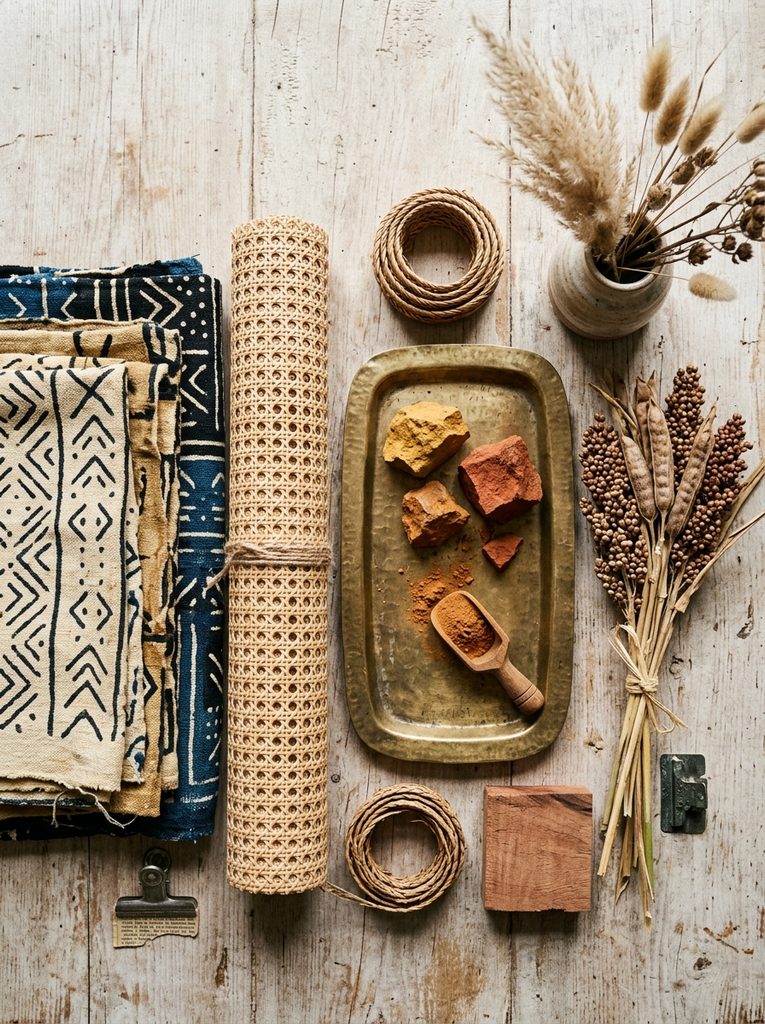
- An Intentional Color Bridge: Insist on a disciplined color story built around deep earth pigments (ochre, terracotta, burnt umber, raw sienna, and fermented indigo) rather than discordant neon accents.
- Accessible Ergonomics: Design for the reality of your body and your home. Beautiful design should never require crawling onto floor cushions or navigating precarious pathways; it should incorporate supportive seating, clear perimeter clearances, and adjustable, warm task lighting.
- Narrative and Craftsmanship: Celebrate the maker’s hand. Visible seams, carved chisel facets, and subtle dye variations are not factory defects; they are the exact elements that imbue a living space with luxury and human history.
| DIY Afrohemian Decor Concept | Best Inspiration For | The Detail Worth Borrowing |
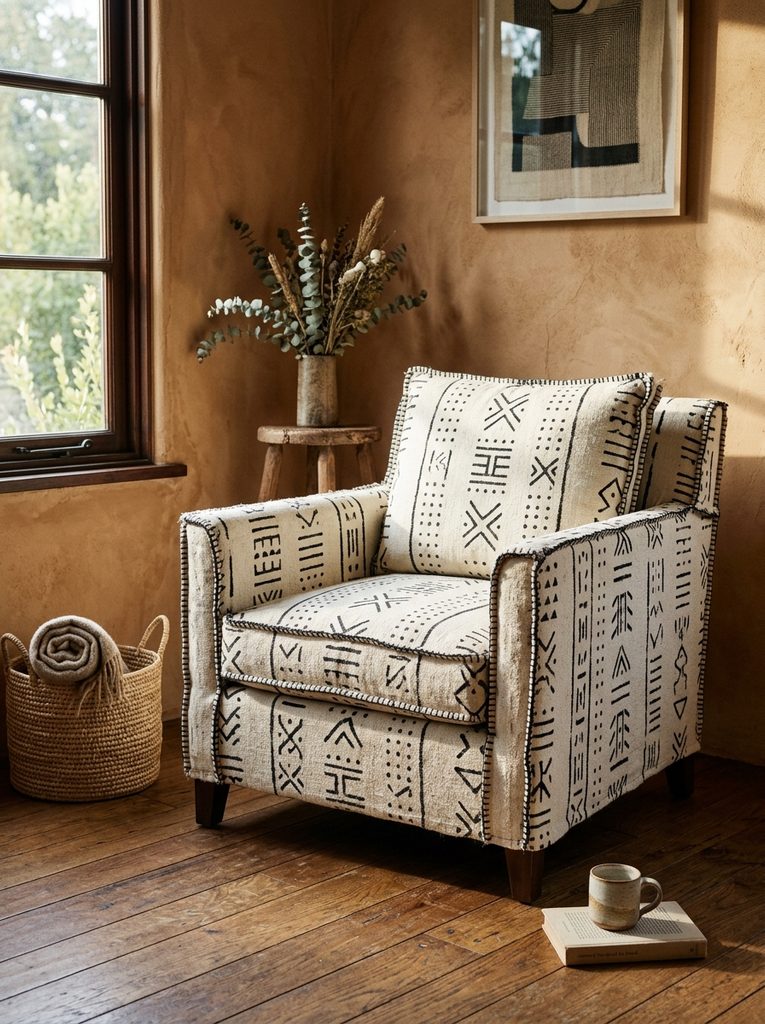
| 1. The Hand-Stitched Mudcloth Slipcover | Transforming dated, bulky family sofas without buying new | Using heavy raw Bògòlanfini fabric with exposed, contrast saddle-stitching |
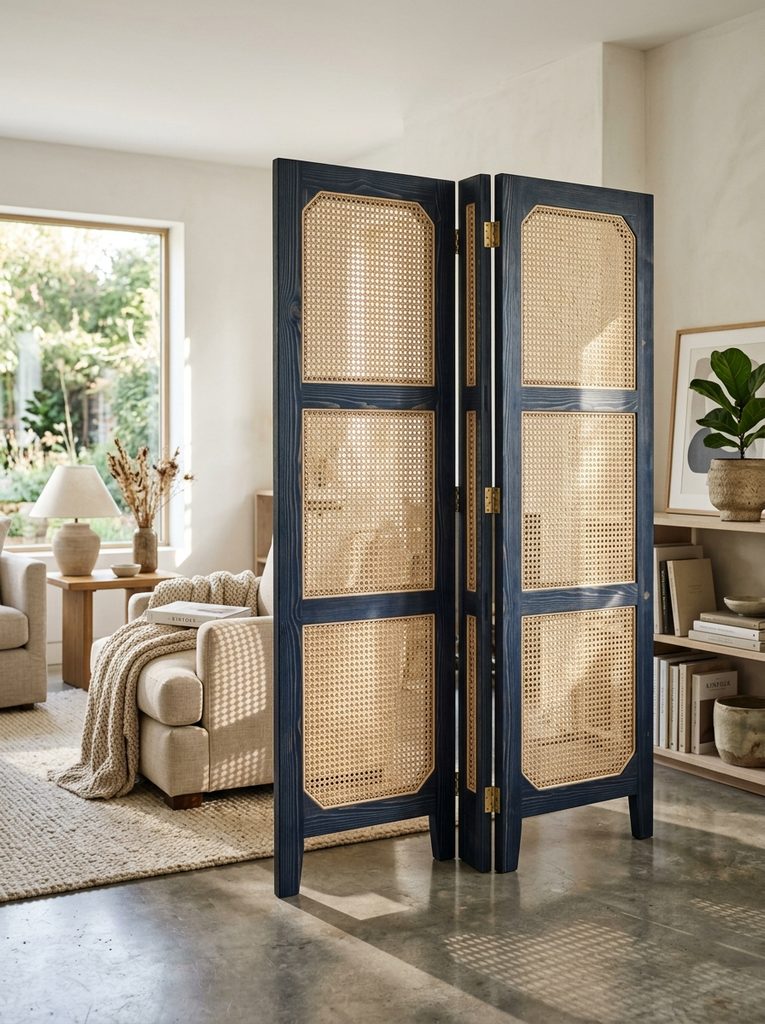
| 2. Architectural Indigo Timber Screens | Dividing open floor plans while adding sculptural vertical height | Submerged-dip indigo stain on reclaimed pine framing with cane mesh inserts |
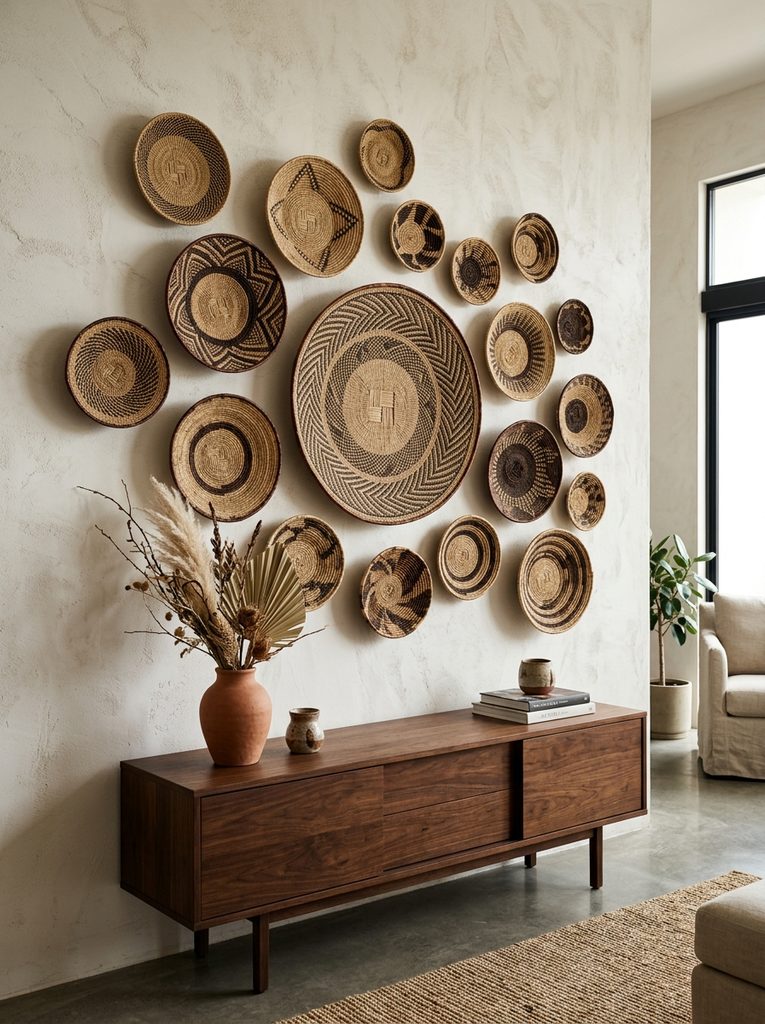
| 3. Floating Tonga Basket Installations | High-impact, three-dimensional wall art on an accessible budget | Asymmetrical, radial clustering anchored by one large central woven disc |
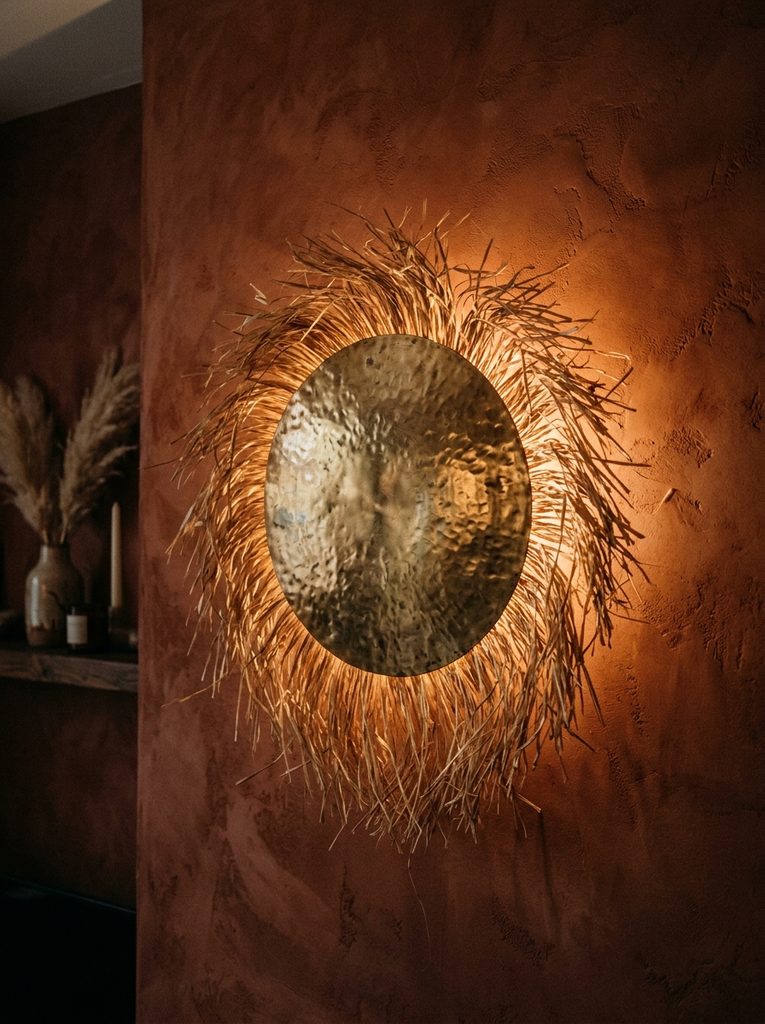
| 4. Structural Raffia & Brass Sconces | Evening warmth and diffused, eye-flattering perimeter lighting | Back-mounting unraveled natural raffia behind hammered brass wall discs |
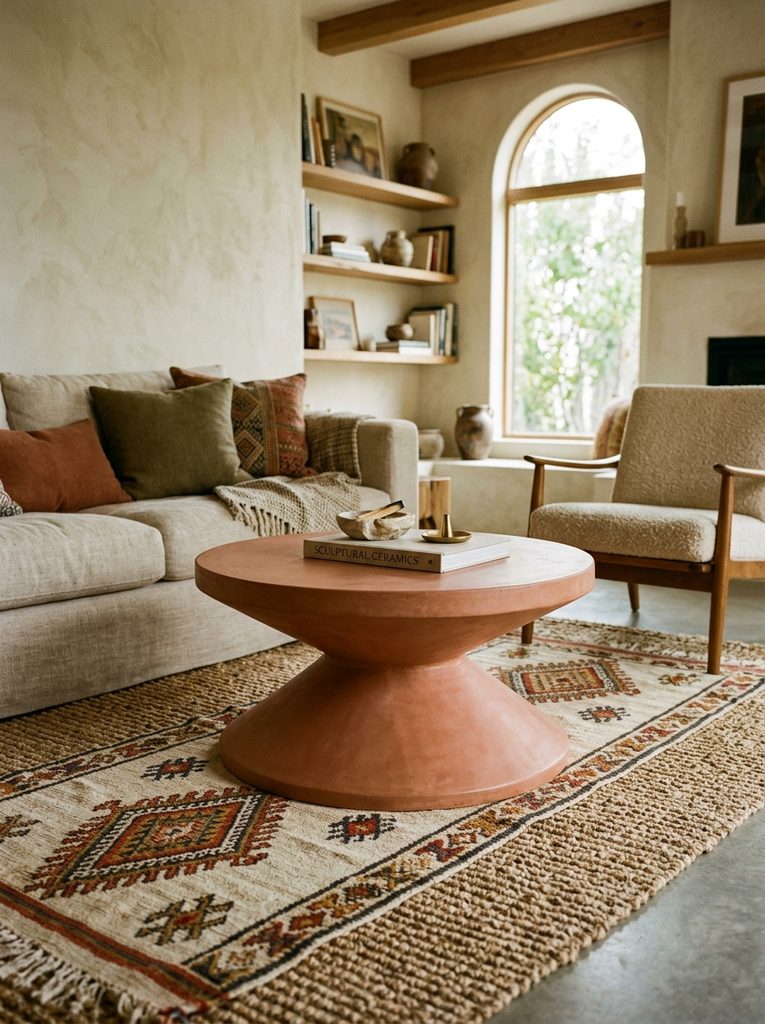
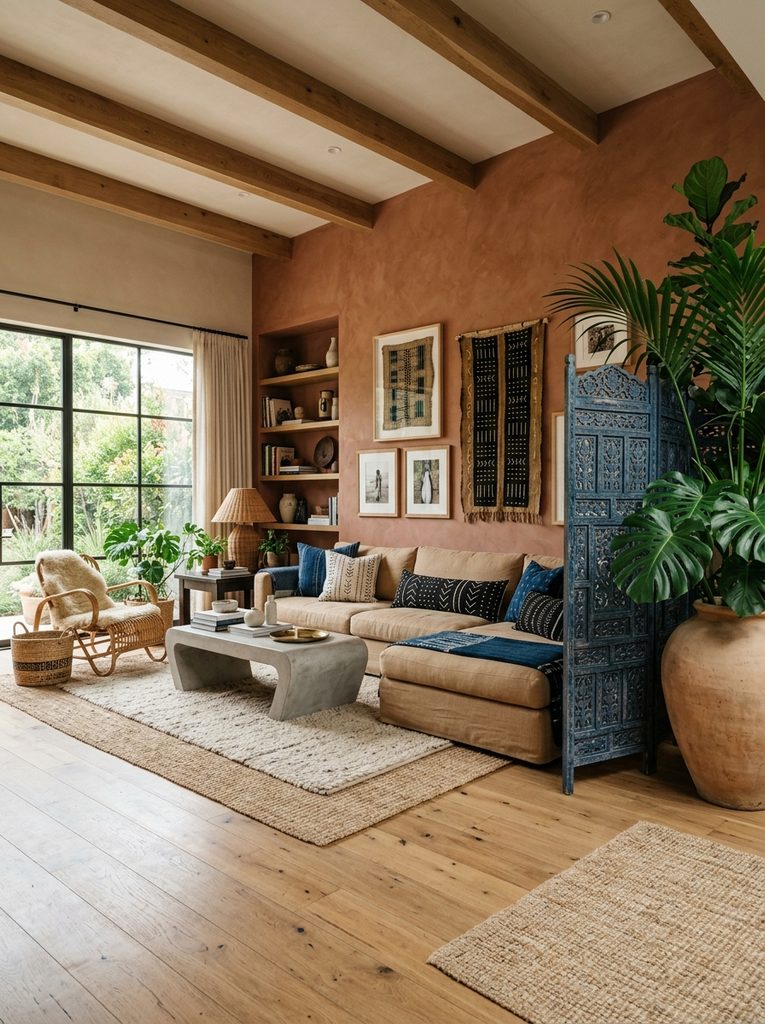
| 5. Sculptural Earthenware Coffee Tables | Adding grounding architectural weight to the center of the room | Transforming heavy garden planters with concrete skim-coating and matte limewash |
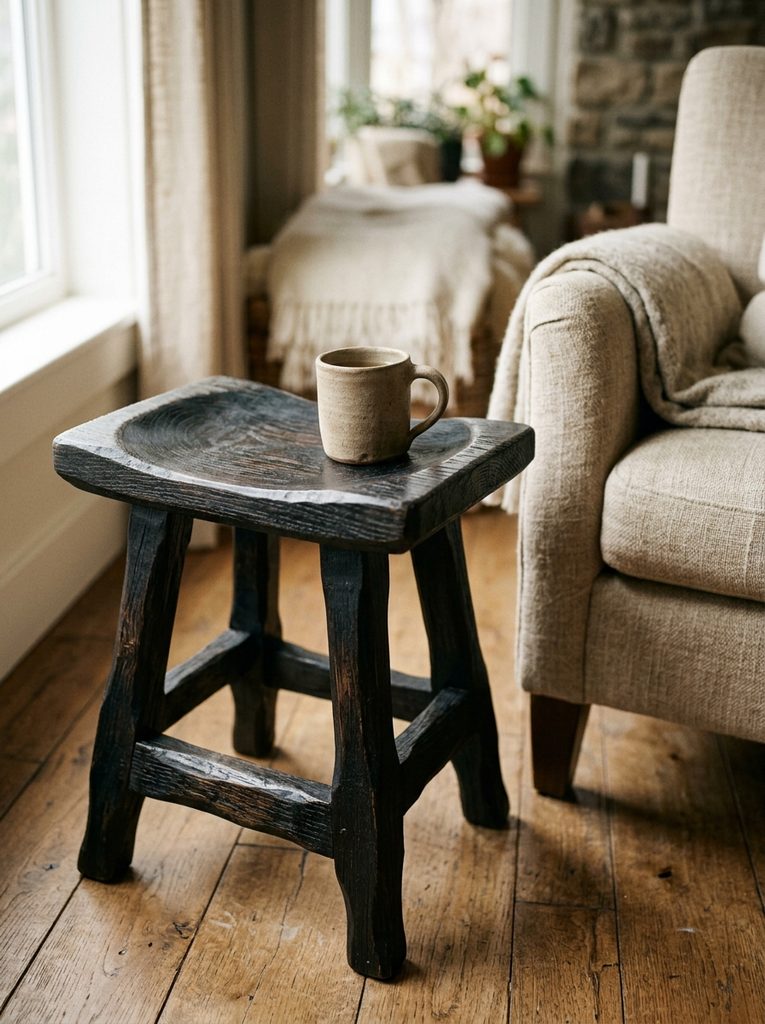
| 6. The Reclaimed Senufo-Inspired Bench | Flexible, ergonomic occasional seating and styled focal surfaces | Chiseled adze texture created by hand with a simple curved wood gouge |
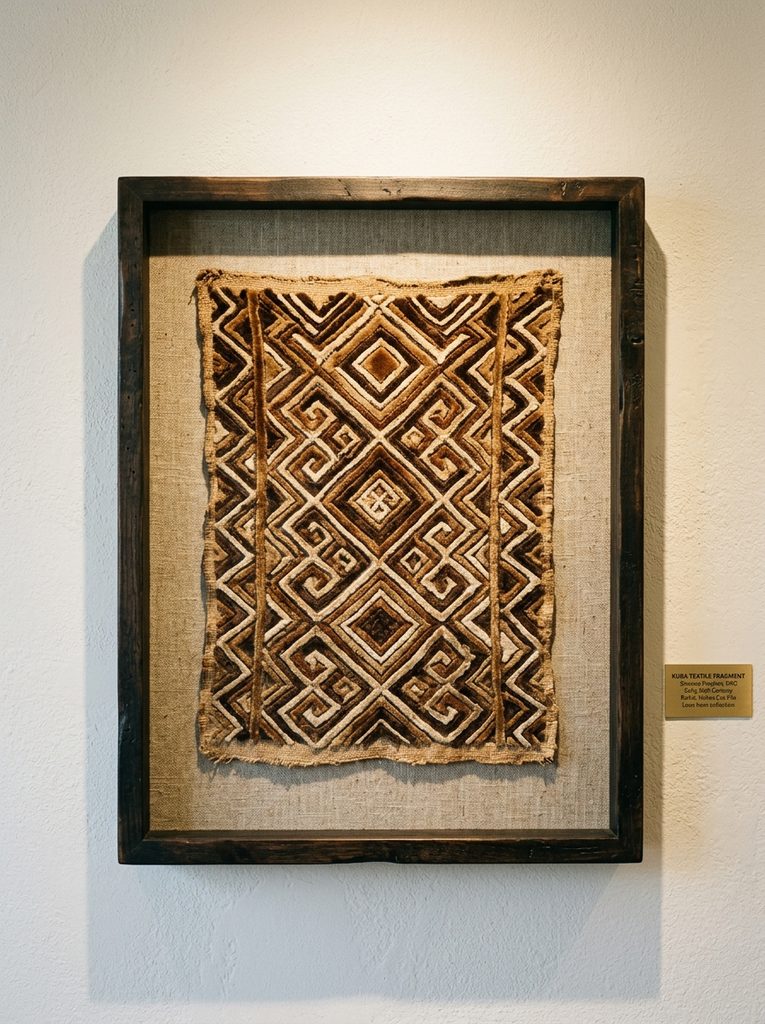
| 7. Giant Framed Kuba Cloth Remnants | Elevating textile fragments into museum-grade statement art | Floating raw-edge raffia textiles on textured natural oatmeal linen back mats |
| 8. The Terracotta & Ochre Color Wash | Infusing sterile drywall with sun-drenched, historic plaster warmth | Applying diluted mineral lime paint in soft, broad, overlapping cross-hatch strokes |
| 9. Layered Jute & Moroccan Runner Bridges | Anchoring seating zones and providing soft, cushioned traction underfoot | Using a dense natural bouclé jute rug as a neutral base under a bold graphic runner |
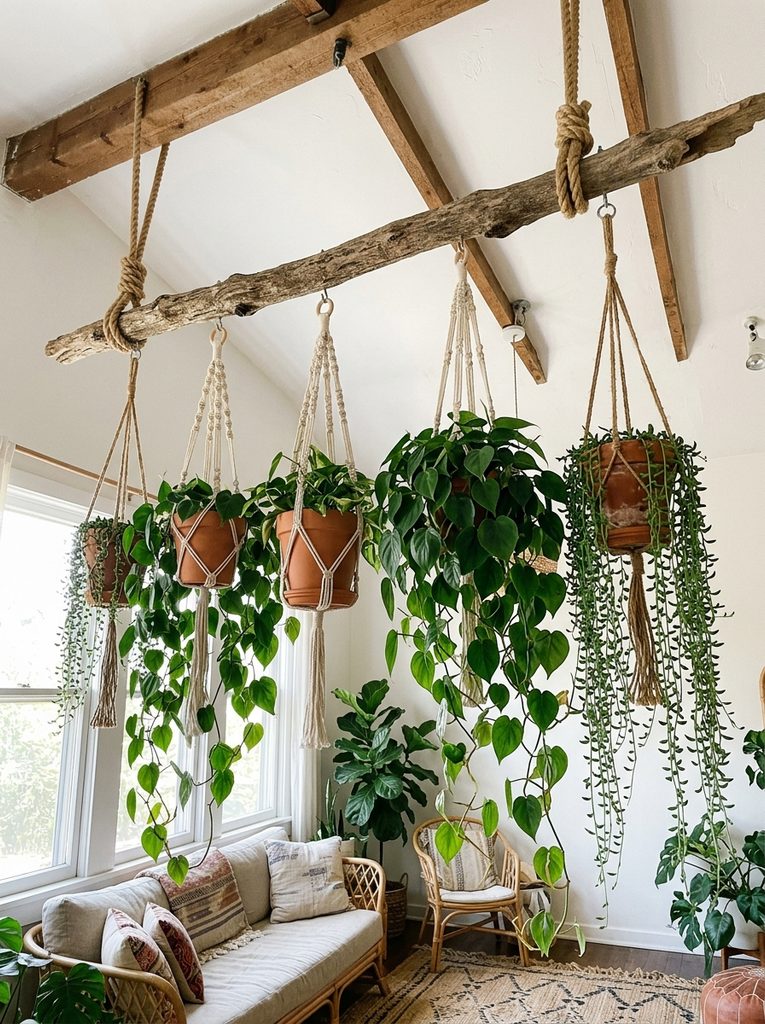
| 10. Suspended Botanical Canopy Trellises | Maximizing lush plant life without cluttering precious tabletop surfaces | Hanging aged cedar branches on ceiling eye-bolts to suspend trailing vining flora |
1. The Heritage Textile Anchors: Mudcloth Slipcovers & Indigo Architectural Screens
When curating stylish Afrohemian decor, your primary upholstered pieces dictate the visual resonance of the entire room. Rather than discarding a well-constructed but aesthetically dated armchair or sofa, transforming it with heavy, authentic West African textiles establishes an immediate, editorial foundation. The secret lies in pairing the graphic discipline of Malian mudcloth (Bògòlanfini) with the calming, atmospheric depth of fermented indigo wood finishes.
Take, for example, a project involving a boxy, early-2000s roll-arm club chair with faded floral upholstery. Instead of paying thousands of dollars for custom factory upholstery, the piece was transformed using six yards of heavyweight, hand-loomed Malian mudcloth pieced together with an intentional raw-edge French seam. The fabric featured an earthy bone-white background patterned with hand-painted iron-rich river clay markings in deep, charcoal black. Left slightly loose in a tailored “waterfall” drape over the seat cushion, the sturdy handspun cotton provided an instant sense of permanence and unpretentious luxury.
To establish spatial harmony across the living room, this high-contrast textile anchor was visually balanced across the room by a handmade, three-panel folding architectural screen. Built from affordable two-by-two pine lumber, the wood was not painted with plastic acrylics, but stained using a homemade fermented indigo wash—created by dissolving natural indigo dye crystals in warm water and clear grain alcohol—allowing the wood’s natural grain to telegraph through a deep, oceanic cerulean blue. The inner panels were fitted with natural woven cane webbing secured with antique bronze upholstery nails. The screen not only created an intimate reading alcove but diffused harsh late-afternoon window glare, casting gentle, patterned shadows across the floor.
| Situation / Use Case | Base Elements | Why It Works |
| Revamping Outdated Upholstery | Tailored mudcloth throw or slipcover + Heavy-duty linen binding tape | Covers dated patterns while adding tactile, artisan weight that resists daily family wear. |
| Zoning an Open-Plan Living Room | Indigo-stained pine screen + Octagonal natural cane webbing | Establishes private, cozy conversational zones without blocking sightlines or air circulation. |
| Unifying Mismatched Furniture | Charcoal graphic lumbar cushions + Indigo-dyed vintage table runner | The shared tonal palette instantly bridges disparate wood finishes and upholstery styles. |
Tailoring & Fabric Weight Note: When sourcing genuine mudcloth for seating projects, verify that the base cotton is heavyweight handspun strips stitched together. Lightweight factory-printed cotton canvas will slip, bunch, and tear along the stress points within months, whereas authentic artisan-loomed mudcloth softens and deepens in beauty with age and use.
2. Dynamic Wall Architecture: Floating Basket Installations & Framed Kuba Textiles
Blank drywall is an unforgiving background in any home. Many homeowners make the mistake of buying oversized, mass-produced canvas prints from department stores, which only adds a cold, commercial detachment to the room. By contrast, authentic everyday Afrohemian decor for women over 50 leverages three-dimensional, sculptural wall installations that play with depth, shadow, and tactile relief.
Consider the dynamic interplay achieved by pairing an asymmetrical Tonga basket gallery with a singular, museum-framed panel of vintage Congolese Kuba cloth. In a recent living room redesign, an expansive, barren wall above a low credenza was transformed using seven authentic Binga and Tonga baskets handwoven from ilala palm leaves and wild grasses. Rather than spacing them in a stiff, symmetrical grid, the installation began with an oversized, 28-inch dark-rimmed basket placed off-center at eye level. The smaller baskets—featuring tight, geometric starburst patterns in natural straw and rich bark dyes—were clustered tightly outward in a sweeping, natural crescent. Because each basket sits off the wall by two to four inches, the installation constantly shifts its character as natural daylight moves across the room, casting delicate, sculptural shadows against the plaster.
You Might Also Like


Directly perpendicular on the adjoining wall, a rare 18×24-inch fragment of vintage Kuba raffia cloth was elevated into a monumental fine-art statement. Sourced from a local fair-trade importer for under forty dollars, the textile—featuring raised, velvet-cut pile embroidery in tones of roasted hazelnut, umber, and parchment—was hand-stitched onto an archival, rough-textured oatmeal linen matboard using invisible nylon thread. Instead of using a contemporary plastic frame, it was mounted inside a deep, custom-cut shadowbox frame crafted from salvaged, dark-waxed walnut molding. The pairing of the woven circular baskets with the geometric rectangular raffia panel creates a sophisticated visual dialogue between curve and line, softness and architecture.
Hanging & Spatial Safety Note: When securing woven baskets to your living room walls, bypass adhesive strips or heavy hooks. Drive thin, countersunk two-inch brass finishing nails directly through the thick center coil of the basket into your wall drywall anchors. This keeps the basket flush, prevents accidental falls, and leaves almost invisible pinholes should you ever choose to rearrange the installation.
3. Grounded Tactile Foundations: Layered Jute Frameworks & Sculptural Coffee Tables
A living room cannot feel genuinely relaxing if your feet do not register comfort, warmth, and physical security the moment you step into the room. In high-end design magazines, you frequently see ultra-low, legless platform tables and thin, slippery silk carpets. For women who prioritize daily practicality alongside breathtaking style, those choices are non-starters. The solution lies in pairing heavy, tactile flooring layers with monolithic, sculptural coffee table silhouettes.
In a recent renovation of a drafty, modern living area with slippery engineered flooring, the foundation was anchored by laying down an expansive 10×14-foot, extra-thick natural jute bouclé rug. Sourced from a commercial flooring supplier as a simple bound carpet remnant, the jute provided dense acoustic insulation, concealed everyday debris effortlessly, and gave the entire room an earthy, tactile baseline. Centered directly over this neutral expanse, an authentic 5×8-foot vintage hand-knotted Moroccan runner was layered at an intentional angle. Its plush, deep-pile sheep’s wool in ivory and faded paprika added an immediate layer of cushioning right where bare feet touch the floor when rising from the sofa.
At the center of this layered foundation, an imposing architectural coffee table was created through a brilliant, low-cost DIY transformation. Two wide, 24-inch diameter round industrial concrete-composite garden planters were inverted, cleaned, and bonded together using high-strength polyurethane construction adhesive. The entire structural silhouette was then skim-coated by hand using two thin layers of feather-finish architectural microcement tinted with raw umber powder, followed by a buffed application of natural carnauba wax. The resulting table had the substantial, curving mass of a thousand-dollar hand-carved stone sculpture from an Italian gallery, but cost less than ninety dollars in materials. Its wide, circular perimeter eliminates sharp corners that are hazardous in low-lit rooms, while its unshakeable weight ensures it remains steadfast, never sliding or tipping when used to hold heavy books or resting feet.
| Situation / Use Case | Base Elements | Why It Works |
| Slippery or Chilly Hardwood Floors | 1/4-inch recycled felt pad + Dense jute foundation + High-pile wool runner | Eliminates rug slip hazards completely, insulates cold subfloors, and provides soft, joint-friendly impact absorption. |
| Tight Conversational Seating | Monolithic round microcement table + Rounded leather floor poufs | The elimination of sharp table edges improves foot traffic clearance, while round lines soften angular room layouts. |
| High-Traffic Entertaining Zones | Sealed matte-waxed tabletop finish + Vegetable-dyed flatweave rug accent | Spills wipe off sealed microcement instantly without staining; durable flatweaves withstand heavy traffic without matting down. |
Comfort & Movement Note: When layering rugs, never place a loose accent rug directly on top of a base carpet without stabilization. Secure the perimeter of the top vintage runner to the underlying jute using heavy-duty double-sided silicone carpet tape. This completely prevents edge-curling and tripping hazards, maintaining an impeccably smooth, safe transition underfoot.
4. Atmospheric Warmth: Terracotta Lime Washes & Sculptural Raffia Sconces
The emotional temperature of a living room is dictated by two factors: wall surface texture and lighting elevation. Flat, uniform latex paint paired with harsh, overhead ceiling fixtures will ruin even the most beautifully furnished interior, washing out delicate fabrics and giving human skin a pale, sallow cast. Trendy Afrohemian living room decor bypasses this clinical look entirely, favoring the organic, breathable movement of natural mineral lime washes and the low-elevation glow of handcrafted fiber-and-metal lighting.
Consider a living room with standard eight-foot drywall ceilings and harsh recessed canister lights that made the room feel uninviting after sunset. The space was transformed first by covering the cold walls with a DIY mineral lime wash. Using affordable powdered hydraulic lime mixed with warm water and natural raw terracotta and burnt orange earth pigments, the paint was applied using a wide, seven-inch masonry brush in broad, overlapping criss-cross “cloud” motions. As the lime wash dried, it cured into a velvety, chalky, suede-like matte finish that subtly changes in tone as natural light shifts, lending the room the ancient, grounding feel of a North African courtyard villa.
To illuminate these warm walls after dark, a pair of dramatic, sculptural wall sconces was constructed by hand. Using inexpensive, 12-inch circular hand-beaten Moroccan brass trays found at a vintage market, a central hole was drilled to mount an antiqued brass lamp socket fitted with a warm 2200K amber LED bulb. Along the outer perimeter of each brass disc, bundles of raw, long-strand Madagascar raffia grass were glued with high-temperature epoxy, fanning outward in an expressive, radial halo. When illuminated, the brass tray completely shields the eye from direct bulb glare, reflecting the light backward into the wall and projecting warm, shimmering amber light through the raw raffia fringe. The visual result is pure magic—a flattering, atmospheric perimeter glow that turns the living room into a serene sanctuary at twilight.
Color & Pigment Note: When formulating a custom lime wash for interior drywall, always roll on a dedicated mineral bonding primer first. Drywall mud absorbs moisture differently than paper faceplates; without the mineral primer, your lime wash will dry with uneven streaks rather than a soft, cloudy, sophisticated color gradient.
You Might Also Like

5. Functional Sculpture: Hand-Chiseled Senufo Stools & Suspended Trellises
In an elevated Afrohemian living space, functional elements should never be merely utilitarian; they should possess the dignity of handcrafted art. By incorporating the hand-hewn textures of West African-inspired wooden furniture alongside dramatic, ceiling-hung vertical greenery, you introduce structural variety and lively botanical movement without sacrificing valuable floor space.
Take the classic Senufo stool—a functional seating silhouette traditionally carved from single blocks of hardwood by the Senufo artisans of the Ivory Coast, characterized by its gently dished seat and four sturdy, tapered legs. Original antiques are expensive and fragile, but an extraordinary, durable interpretation was crafted using an unfinished solid pine butcher-block side table picked up for fifteen dollars at a local charity shop. Using a handheld curved Japanese woodcarving adze and a standard U-gouge chisel, the flat, factory-sanded surface was methodically chiseled by hand to create hundreds of gentle, scalloped facets across the top and legs. After chiseling, the pine was treated with a traditional non-toxic wire-wool and vinegar iron acetate solution, which reacted with the wood’s natural tannins to oxidize it into an authentic, rich charcoal-black timber tone, sealed finally with warm paste wax. Placed beside a reading chair, the stool provides an ergonomic perch for an evening tea mug, its chiseled facets catching grazing light with irresistible tactile richness.
To draw the eye upward and celebrate room height without taking up floor space with clustered flowerpots, a sculptural ceiling trellis was suspended in the opposite corner of the room. A five-foot branch of weathered white oak, pruned from a fallen backyard limb, was debarked, hand-sanded to expose its natural undulating knots, and sealed with matte clear sealer. Suspended horizontally three feet below the ceiling using heavy natural manila rope and heavy-duty structural ceiling anchors, it serves as an organic suspension rod for a collection of lightweight, unglazed hanging ceramic pots. Filled with mature trailing heartleaf philodendrons and dramatic string-of-bananas succulents, the lush vines cascade down in natural vertical ribbons, softening room corners, purifying indoor air, and establishing an effortless botanical canopy that connects the earth-bound furniture to the ceiling architecture.
Wood Finishing Tip: Skip synthetic polyurethane topcoats when crafting artisanal Afrohemian timber pieces. Modern high-gloss clear coats seal wood under a plastic barrier that feels cold to the touch and looks cheap. Instead, use natural butcher-block oil mixed with pure beeswax; it nourishes the grain from within, produces a rich, low-luster satin glow, and can be touched up invisibly in seconds should scratches occur.
Copy the Principle, Not the Exact Thing
The most frequent design disaster occurs when a homeowner falls in love with an editorial magazine spread and attempts to track down and purchase every specific lamp, table, rug, and fabric swatch featured on the page. This approach invariably leads to severe buyer’s remorse, budget overruns, and an uncanny, stage-set quality in your home. Direct copying fails because a photograph captures a single, tightly controlled optical perspective staged under professional studio lights, in an architectural container that likely shares nothing with your home’s floor plan, window exposure, ceiling clearance, or everyday practical needs.
When you study breathtaking designer spaces, look past the specific product tags and identify the core spatial principle at work. If an interior designer features an eight-thousand-dollar antique Cameroon Bamileke feather headdress mounted above a fireplace, do not rush to purchase an inferior, synthetic plastic knockoff online. Recognize the true design principle: the room needed a bold, textured, circular radial silhouette on that wall to break up repetitive rectangular architecture. Once you understand the principle, you can execute it within your own aesthetic and financial parameters—using a curated collection of woven sweetgrass trays, a DIY raffia burst, or an arrangement of round carved timber platters that cost a fraction of the price while feeling personal and grounded in your life.
| Instead of Copying This | Borrow This Principle |
| $4,000 Custom Antiqued Plaster Wall Finishes | Apply a $45 DIY mineral lime wash tinted with raw terracotta pigment in sweeping cross-hatch strokes to achieve textured matte movement. |
| Piles of Low-Slung Floor Pillows & Futons | Add dense, high-resilience lumbar pillows wrapped in vintage mudcloth to supportive, high-backed ergonomic armchairs. |
| Extravagant Architectural Tropical Indoor Trees | Group three varied-height, low-maintenance snake plants and ZZ plants in oversized, thrifted terracotta vessels elevated on wooden stands. |
| $3,500 Hand-Knotted Antique Tribal Rugs | Layer a compact, authentic vintage hand-loomed flatweave or runner over a massive, budget-friendly natural jute bouclé base carpet. |
| Bespoke Hand-Carved African Hardwood Consoles | Sand and chisel an inexpensive second-hand pine table by hand, then oxidize it with vinegar-iron stain for authentic hand-hewn weight. |
| Expensive Designer Brass Architectural Chandeliers | Mount thrifted hand-beaten brass platters as reflective wall sconces paired with 2200K warm-amber filament bulbs for flattering perimeter glow. |
Build Your Own Formula
Creating a timeless, deeply personal living room after fifty is not about adopting an aesthetic uniform; it is about confidently orchestrating elements that tell your specific, accumulated story. The most enchanting, enduring interiors do not subscribe dogmatically to a single category. They exist in the thoughtful spaces between eras—where the graphic power of African ancestral textiles sits effortlessly beside an heirloom mid-century reading armchair, a well-curated library of art monographs, and sturdy natural fibers that welcome real grandchildren, pets, and relaxed evening gatherings without anxiety.
When approaching your living room overhaul, do not attempt to execute every creative project simultaneously. Instead, view styling as an adaptable, modular equation where each component serves a distinct structural, emotional, and physical function within your home:
The Enduring Afrohemian Living Room Formula:
Supportive Ergonomic Baseline (High-quality, structured neutral seating)
+ Heavy Tactile Grounding (Natural jute bouclé foundation or hand-hewn raw timber)
+ Artisanal Narrative Anchor (Hand-dyed mudcloth, vintage indigo, or dimensional basket relief)
+ Atmospheric Environmental Layer (Warm mineral color washes, sculptural flora & 2200K amber lighting)
Use this formula as your personal creative checkpoint whenever you evaluate a prospective project, an estate-sale treasure, or a handcrafted purchase. If an element fulfills one of these roles and speaks to your personal sense of comfort, it belongs in your home. Let go of arbitrary rules about what is considered trendy or traditional for your stage of life. Trust the discernment, worldliness, and design taste you have spent decades refining—and construct a living room that serves as an expressive, joyous celebration of where you have been and the sanctuary you deserve today.
Frequently Asked Questions
Who are some of the best Afrohemian designers and makers to follow for authentic inspiration?
To immerse yourself in the finest expressions of this style, look to trailblazers who balance cultural reverence with architectural rigor. Justina Blakeney, creator of Jungalow, remains the definitive modern pioneer of vibrant, plant-rich bohemian interiors that honor global handcrafts. For a more tailored, historic, and fine-art approach, study the portfolio of interior designer Sheila Bridges, whose celebrated Harlem Toile expertly bridges traditional classical interiors with African-American cultural history. You should also immerse yourself in the work of AphroChic, founded by Jeanine Hays and Bryan Mason, whose publications and design projects masterfully illustrate how contemporary design, African diasporic art, and sophisticated modern heritage converge in high-end, livable residential spaces.
How can I replicate authentic Afrohemian decor without spending a lot of money?
Authenticity is frequently far more affordable than buying mass-market showroom decor if you understand raw materials. Begin by sourcing textiles directly: seek out independent West African cultural importers, regional craft fairs, or fair-trade merchant collectives where you can buy genuine, raw yards of unstitched mudcloth or vintage indigo remnants for a fraction of the cost of finished boutique pillows. Second, make architectural salvage and secondhand stores your primary hunting grounds for solid wood and metal goods. An old, dated solid-pine coffee table has real structural bones; stripping its glossy chemical finish and gouging it with simple hand tools transforms it into an artisanal sculptural masterpiece for the cost of sandpaper and paste wax. Finally, propagate your own large-scale botanicals from cuttings of pothos, monstera, and snake plants rather than buying mature nursery trees.
How do I find my own personal design style instead of just copying catalog trends?
Finding your personal style after fifty begins with a ruthless inventory of your emotional responses to your possessions. Walk through your current living space and observe what you truly cherish versus what you accumulated simply to fill empty corners or satisfy past expectations. Real personal style lives at the intersection of your physical comforts and your personal memory. Look at the colors you naturally select when buying clothing, the travel souvenirs that still evoke joy when you hold them, and the tactile materials—be it cool honed marble, coarse raw linen, or warm weathered oak—that instantly make your shoulders drop when you touch them. Choose two grounding base colors you adore, combine them with one rich cultural narrative textile, and edit out anything that feels cheap, uncomfortable, or emotionally flat.
Should I follow modern interior design trends, or stick to what works?
Always reject temporary, seasonal retail trends in favor of structural quality, timeless proportions, and materials that age with grace. The fast-furniture industry is engineered to make you feel dissatisfied with your home every eighteen months by cycling through arbitrary micro-trends. However, this does not mean your home must remain frozen in time. The beauty of the Afrohemian aesthetic is that it is inherently flexible and timeless: an authentic handwoven textile, an honest earthenware vessel, and a solid oak table never go out of style because they were never trendy to begin with. Invest your primary financial budget into deep, ergonomically supportive seating and excellent foundation rugs. Introduce trending colors or silhouettes strictly through inexpensive, easily modified DIY elements like painted terracotta accents, handmade linen cushion covers, or propagated botanical displays.
How do I make everyday Afrohemian decor look polished rather than cluttered or messy?
The critical boundary between an elevated, soulful interior and disorganized clutter comes down to three things: negative space, color discipline, and purposeful scale. First, resist the urge to fill every square inch of tabletop or wall space; negative space acts as a visual frame that allows your best artisanal objects to be seen and appreciated. Second, establish a strict color bridge: limit your dominant room palette to two grounding neutral tones (like biscuit linen and natural jute) and two deep mineral accent colors (like burnt terracotta and indigo). When every object in the room speaks the same tonal language, patterns do not fight one another. Finally, choose fewer, larger accessories over dozens of tiny trinkets. One large-scale 24-inch woven basket commands respect and feels calm; twenty tiny woven saucers scattered everywhere creates visual noise.

Visual inspiration, practical ideas and editorial stories for everyday living.
Leave a Comment